
Maximize Your Access to
Quality Private Loans
A short, practical guide you can act on today
If you are heading to school and need to utilize private loans to cover your costs, your credit profile matters– a lot! The good news is that credit can usually be improved with some lead time.


The basics
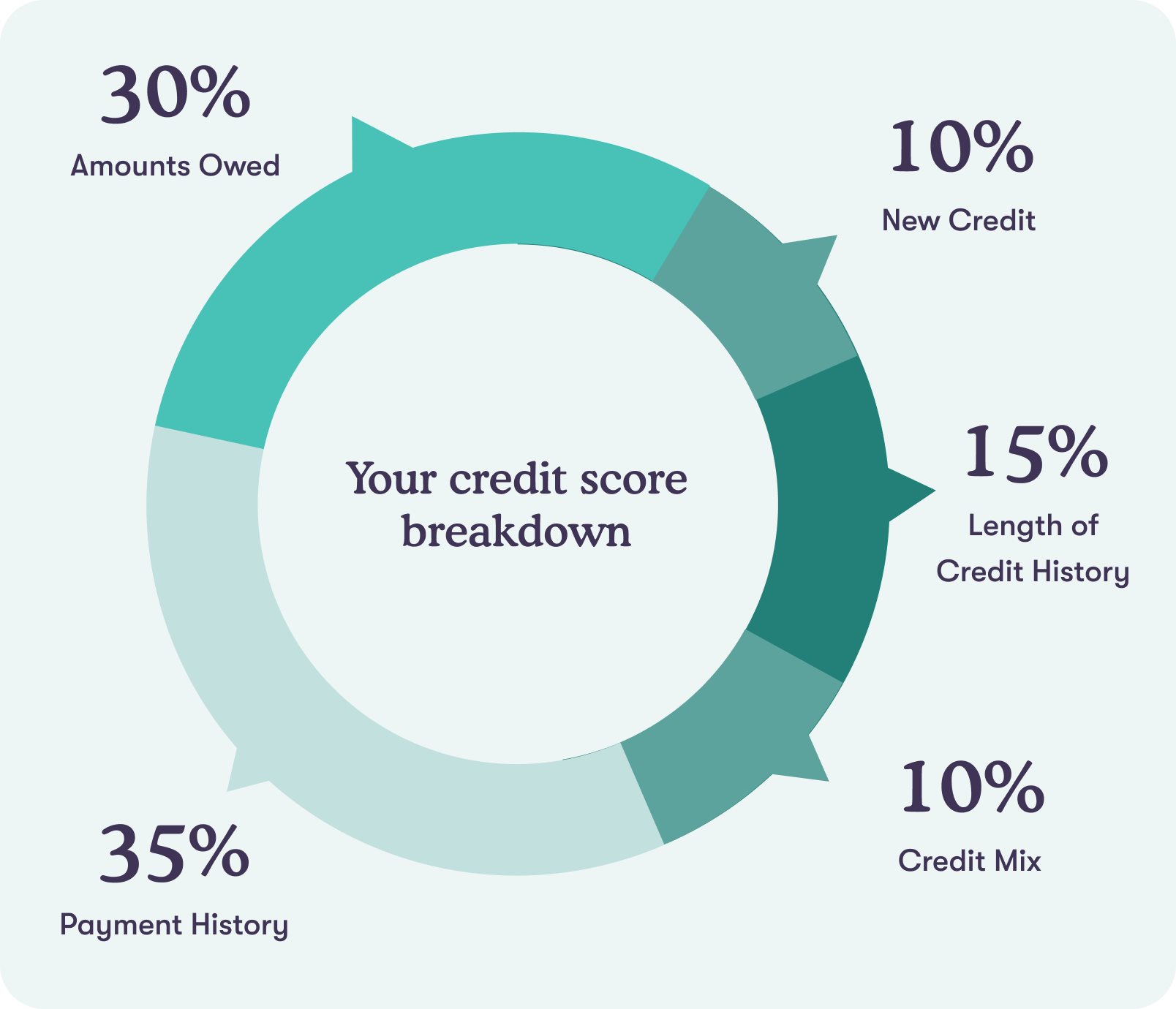
Your credit score is shaped by a few core factors in order of how they are weighted by credit bureaus:
Payment history (on-time payments matter most!!)
Credit utilization, how much of your limit you use
Length of credit history
New credit inquiries
Credit mix: having both revolving (think credit cards) and installment loans (think student loans, car payments, etc)

Lenders do not evaluate your profile exactly the way credit bureaus do.
A strong score helps, but lenders also care about stability, consistency, and whether you have managed credit independently. That leads to the most important rule for those with limited credit.

The single most important move if you have little or no existing credit history:
Open a credit card in your own name as soon as possible. Not as an authorized user on a parent's card. In your name. Why this matters:
It establishes independent credit history
It shows you can manage revolving credit
It starts the clock on credit age
If you use the card lightly and pay it off in full each month, this one step often does more for your profile than almost anything else.
If you cannot qualify for a traditional card
You still have options.
Secured credit cards
You provide a cash deposit that becomes your credit limit. Used responsibly, these build credit the same way a standard card does.
Experian Boost or similar tools
These can report rent, utility, or phone payments to credit bureaus. This does not replace a credit card, but it can strengthen your profile at the margin.
Ask a family member to make you an authorized user
If you have a family member that has good credit and an active credit card, ask them to add you to the account as an authorized user. When they do so, the credit reporting agencies typically include the length of credit history and on-time payments for that account on your credit report. If they have had the card open for years, that can improve your own credit history length and boost your credit score.
While this can help your overall score, private student loan lenders typically want to see that you've managed your own credit for at least three years, so this action alone does not ensure eligibility for a private loan without a cosigner.

Credit utilization, think in two directions

Utilization is not just about spending less. It has two sides:
The numerator, how much you charge
The denominator, your total credit limit
Keeping balances between 10 to 30 percent of your limit generally helps scores. The lower the better.
Many students don't know:
- If you already have a card, you can ask your issuer about a credit limit increase with no hard credit pull. A higher limit can lower utilization instantly without opening new credit.
- Make payments before your statement date to keep balances under 30% of your available credit limits.
- It is a myth that you need to keep a balance on your credit cards. Paying them in full each month ensures you are not charged interest!
Limit new credit applications and time loan applications carefully
New credit inquiries typically reduce your credit score, at least temporarily. When applying for funding for major investments like private student loans, car loans, and eventually a mortgage, timing matters.
Avoid new credit when preparing to apply for a loan where the rate is reliant on your credit history. This means saying no to store credit cards or timing lease applications carefully.
However, you absolutely want to complete multiple applications and shop around when it comes to loans because rates can vary widely between lenders. Credit models treat multiple loan applications of the same type (student loan, car, mortgage, etc) as a single hard inquiry when completed within a short timeframe. Based on the credit model with the shortest window, best practice is to complete all applications within 14 days. This allows you to shop rates without compounding damage to your score.
If applications are spread out beyond that window, each one may count separately and temporarily lower your score.
Note: This rule doesn't apply to every type of hard check, especially credit cards!


A simple rule of thumb
Credit tends to reward boring behavior:
Open accounts early
Use them lightly
Pay everything on time
Avoid unnecessary credit applications
Keep your oldest credit cards active and open
You do not need perfect credit to qualify for private loans, you just need to avoid preventable mistakes.
A little preparation now can mean better options and less stress later, when decisions matter most.
Join Juno!
Juno is a group of more than 299,000 students and families using power in numbers to negotiate reduced interest rates and expand eligibility criteria with private lenders.
You can join for free to access our deals, with no obligations to borrow, and maximize your access to high quality private loan products.